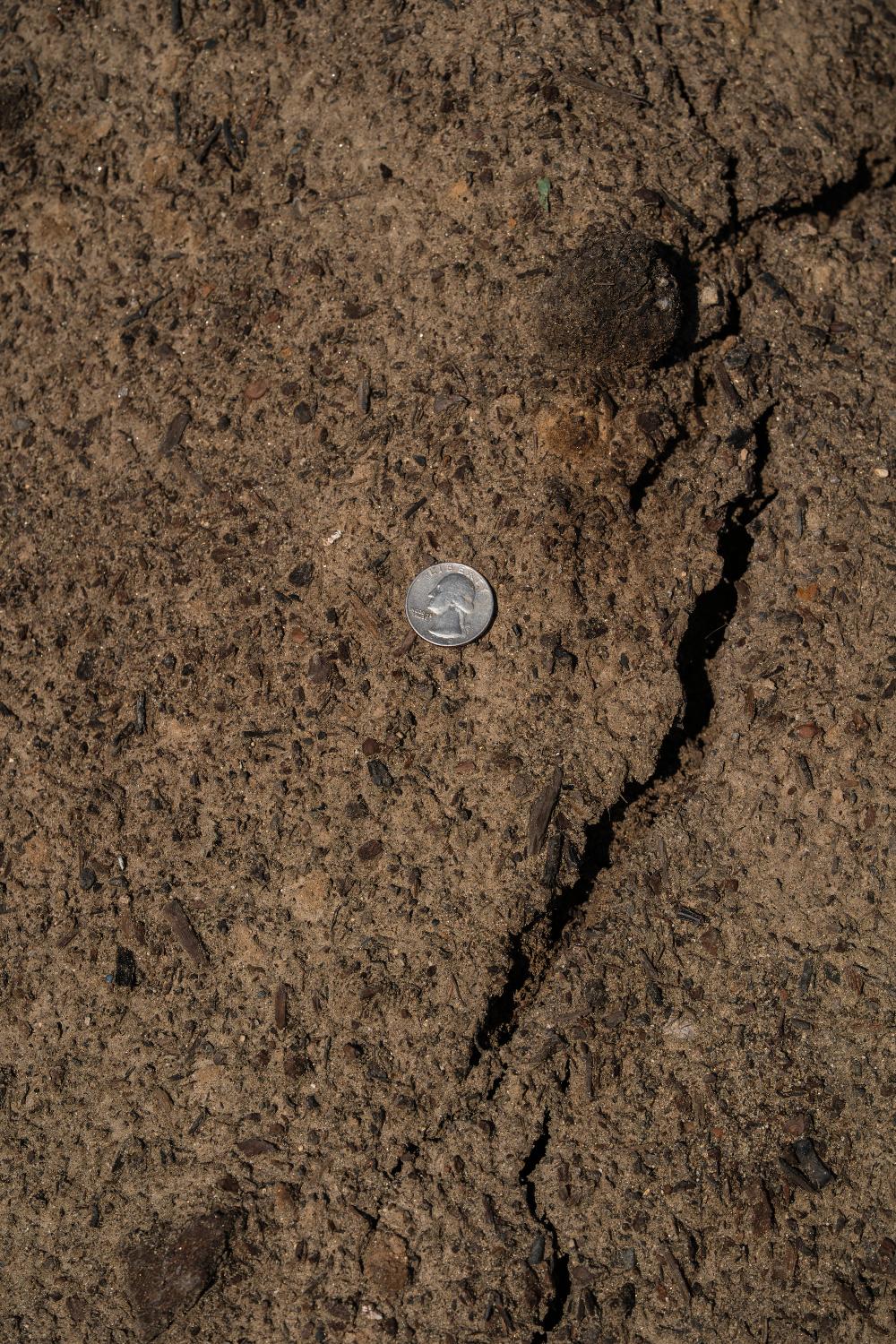
Potting Soil Mix
90 sqft per yard @ 2″ Depth
Closed
Hours:
Mon-Sat: 6:30 AM - 4:00 PM
Sunday: Closed
Why Potting Soil Mix? Use Cases and Performance
Potting soil mix is a lightweight, well-draining growing medium built for containers, not ground. It is not the same product as top soil, and it is not an amendment like black humus that you till into existing ground. It is a standalone medium designed to hold moisture and nutrients in a pot while still draining fast enough that roots do not sit in water. Customers who use garden soil or fill dirt in a container find out quickly why this distinction matters: those products compact hard inside a pot, drain poorly, and suffocate roots within a season.
We sell potting soil mix by the yard at our Fresno yard, and while most homeowners think of potting soil only in small bags, buying it in bulk makes sense the moment you are filling more than a handful of pots, a few raised planters, or a run of nursery containers. A cubic yard of loose potting mix goes a long way once you start counting how many 15-gallon pots or window boxes you actually have to fill.
What people use potting soil mix for
- Container gardening: patio pots, planters, and hanging baskets for annuals, perennials, and small shrubs.
- Raised planter boxes: smaller boxes and elevated beds where drainage and light weight matter more than in a full in-ground bed.
- Vegetable and herb containers: tomatoes, peppers, herbs, and other edibles grown on patios, balconies, and small urban lots.
- Nursery and propagation use: growers and small nurseries filling large numbers of containers on a schedule.
- Indoor and greenhouse containers: houseplants and greenhouse stock that need a light, sterile-feeling medium rather than field soil.
- Topping off settled containers: refreshing pots where the mix has compacted or decomposed over a season or two.
- Seasonal color rotations: property managers and landscapers refreshing planters between annual color changeouts.
Why containers need a different mix than the ground does
Soil physics change completely once you put roots inside a pot instead of the ground. In open ground, gravity and a huge volume of surrounding soil pull excess water away and give roots room to chase moisture and nutrients wherever they are. In a container, that whole system is a bucket with a few drain holes. Heavy, clay-based soil that behaves fine spread three inches deep over a Fresno yard turns into a waterlogged brick in a 10-inch pot. A container medium has to be light enough to drain quickly, structured enough to hold air pockets around the roots, and still able to hold enough moisture and nutrition between waterings that you are not watering three times a day in July.
Coverage math
One cubic yard of potting soil mix covers roughly 90 sq ft at 2" deep, which sounds abstract until you translate it into pots. A yard is 27 cubic feet. A typical 15-gallon container holds about 2 cubic feet of mix, so one yard fills roughly a dozen large containers with some left over, or a much larger number of small pots and six-packs. Use our calculators to work out your own container count, or call 559-233-6603 and we will help you size the order.
Buying potting soil mix in Fresno
We sell potting soil mix by the yard from 3562 South Elm Avenue in Fresno, Monday through Saturday, 6:30 AM to 4:00 PM. Load it yourself into buckets or a truck bed, have our loader put it straight into your trailer, rent a dump trailer for a bigger self-haul, or have it delivered by dump truck if you are filling a lot of containers at once. It is far lighter per yard than top soil or fill dirt, which makes it one of the easier bulk soil products to move yourself.
Potting Soil Mix: Guidance for Your Situation
Pick the description that fits you best. Specs, steps, and pricing questions differ for a weekend project versus a bid or a compliance inspection.
For homeowners and container gardeners
Filling Pots and Planters the Right Way
Most homeowner potting soil projects are patio pots, a few raised planter boxes, and maybe a vegetable container or two on a back deck. The math is different from an in-ground bed, and the biggest mistakes are almost always about drainage and depth, not fertility.
How much mix do different containers need?
| Container | Approx. volume needed | Notes |
|---|---|---|
| 6" pot | 0.05 cu ft | A small fraction of a bag; buy bagged for one or two of these. |
| 12" pot | 0.5 cu ft | Standard patio pot size for annuals and small perennials. |
| 15-gallon container | ~2 cu ft | Common size for shrubs, dwarf fruit trees, and tomatoes. |
| 24" x 24" raised planter, 12" deep | ~4 cu ft | A modest raised box; two or three fill a yard easily. |
| 4' x 8' raised bed, 10" deep | ~27 cu ft (1 yard) | At this size, bulk stops being a convenience and starts being the only sane option. |
Step-by-step: filling pots and planters
- Check drainage holes first. A pot without adequate drainage will waterlog no matter what mix you use. Add holes before you add soil.
- Skip the gravel layer at the bottom. That old advice about a layer of rock under the soil actually raises the water table inside the pot rather than improving drainage. Fill with mix straight to the bottom.
- Fill loosely, do not pack it down. Potting mix needs air space to work. Firm it gently by hand or by watering it in, never by tamping or stomping it.
- Leave an inch or two of headspace. Fill to about an inch below the rim so water does not run straight over the edge when you irrigate.
- Water thoroughly after planting. The first watering settles the mix around the roots and reveals whether you need to top off any low spots.
- Check moisture by feel, not by schedule. In Fresno summer heat, containers dry out fast, sometimes daily for small pots in full sun. Stick a finger in an inch deep before watering on autopilot.
- Refresh or replace yearly. Potting mix breaks down and compacts over a growing season or two. Top off or fully replace it each spring rather than assuming last year's mix still drains the way it did when it was fresh.
Potting soil mix versus top soil in a container
This is the single most common mistake we see. Top soil is a great product for lawns and in-ground beds, but it is too dense for a pot. Inside a container it compacts, drains slowly, and squeezes out the air pockets roots need. If you already bought top soil for a yard project and want to stretch it into a few pots, do not. Buy the smaller volume of potting mix instead; it is a different product built for a different job, not a lighter version of the same thing.
Bulk versus bagged
For one or two small pots, bagged mix from a garden center is simpler. Once you are filling several planters, a raised bed, or refreshing pots seasonally, buying by the yard is cheaper per cubic foot and saves you hauling a stack of bags. Bring a rough container count and we will help you land on a yard quantity that is not wasteful.
How much will it cost and how do I get it home?
Potting soil mix is priced by the yard and we quote it live. Call 559-233-6603. It is noticeably lighter than top soil or fill dirt at the same volume, so a pickup bed or a handful of contractor bags handles more of it than you might expect. For a full yard, either take delivery or bring a trailer.
For landscapers, property managers, and installers
Bulk Ordering for Planter Installs and Seasonal Color
Potting soil mix shows up on the job in a narrower set of scopes than top soil or aggregate, but where it does show up, volume and consistency matter. Commercial planter installs, seasonal color rotations, and nursery stock all depend on a mix that drains and holds moisture the same way from container to container.
Ordering and quantities
| Scope | Rough volume per unit | Notes |
|---|---|---|
| Standard 12"-18" streetscape planter | 1 to 3 cu ft | Depends heavily on planter depth and any drainage layer specified. |
| Large commercial planter, 24"+ | 4 to 8 cu ft | Confirm depth before ordering; deep planters eat volume fast. |
| Seasonal color changeout, per bed | Top-dress 2"-3" | Full replacement is rarely needed if the old mix was not compacted or contaminated. |
| Nursery container run (15-gal) | ~2 cu ft each | A single yard fills roughly a dozen 15-gallon containers. |
| Raised bed program, per 4'x8' box | ~27 cu ft (1 yard) | Standard planning number for community garden or HOA raised bed installs. |
Placement notes that affect callbacks
- Verify drainage before filling. Planters without weep holes or a drain layer will hold water and kill root systems regardless of mix quality. Confirm this with the plan set, not by assumption.
- Do not compact potting mix. Unlike base rock or fill dirt, this product performs worse when compressed. Fill and settle with water, not tamping.
- Match mix to plant palette. Succulents and drought-tolerant color want a leaner, faster-draining fill than annuals that expect regular irrigation. Ask us about blending ratios for your palette rather than guessing.
- Stage delivery near the planters. This is a lighter material than soil or rock, but moving it by wheelbarrow across a large commercial site still adds labor hours that are easy to underbid.
- Protect finished plantings from foot traffic and equipment. Fresh mix is loose and easily displaced or compacted by a crew walking through before plants are set.
Product selection by scope
| Scope | Specify | Why |
|---|---|---|
| Container and planter installs | Potting soil mix | Lightweight, drains fast, built for a bounded root zone |
| In-ground planting beds and lawns | Top soil | Screened field soil with structure suited to open ground |
| Amending existing bed soil | Black humus or red humus | Organic matter tilled into soil that already exists on site |
| Grade raise beneath planters | Fill dirt | Compactable structural fill, never used as the planting layer itself |
Delivery, staging, and self-haul
- Bulk delivery: dump truck delivery across Fresno, Clovis, and the surrounding Valley for larger planter programs.
- Yard loading: we load contractor trucks and trailers at 3562 South Elm Avenue, Monday through Saturday 6:30 AM–4:00 PM.
- Self-haul rentals: dump trailers and trucks when a smaller order does not justify a delivery fee.
- Combined loads: potting mix alongside amendment or bark for the same planting program is common; tell us the sequence so we can load in the order you need it.
- Seasonal timing: spring color changeouts and fall bulb or cool-season plantings are the two busiest windows for this product. Order ahead of both.
Bulk pricing and accounts
We quote bulk potting mix and repeat-account pricing directly at 559-233-6603 or through our contact page. Volume and delivery distance both affect the number, and we price it live rather than publish a figure that drifts with the season. Property managers and landscape maintenance contractors running recurring seasonal color should ask about standing pricing through our contractors page.
For nursery operators, growers, and serious gardeners
Volume Growing and Propagation Considerations
If you are running a small nursery, a market garden with a container program, or simply grow a large number of vegetables and starts in pots every season, potting soil mix stops being a specialty purchase and becomes a recurring supply line. Buying by the yard instead of by the bag changes the economics of that operation substantially.
Consistency across a growing run
Growers care about batch-to-batch consistency more than almost any other customer segment, because a mix that drains differently from container to container produces uneven growth across a crop. Buying a full yard at once for a production run gives you one consistent lot to work with instead of stitching together bags from different manufacturing dates. If you are running large numbers of identical containers, a single bulk order is also the practical way to keep your irrigation schedule uniform across the whole bench.
Blending for specific crops
- Vegetable starts and transplants: potting mix used largely as delivered works for most annual vegetable starts.
- Succulents and cacti: blend in additional coarse sand or fine gravel to cut water retention further than a stock mix provides.
- Perennials and shrubs in long-term containers: a heavier fraction holds nutrients longer between feedings, useful for stock that will sit in the same pot for more than one season.
- Seed starting trays: a stock potting mix is usually too coarse for fine seed; sift it or blend it lighter for germination trays specifically.
Storage and handling at volume
A delivered yard of potting mix should be covered or moved under shelter promptly, especially between November and March when Central Valley rain can saturate an open pile and between June and September when a hot, dry pile can lose moisture and become difficult to rewet evenly. Keep it off bare ground where it can pick up native soil, weed seed, or standing water. If your operation cycles through multiple yards per season, ask about a recurring delivery schedule rather than large single drops that sit exposed for weeks.
Ordering for a growing program
Call 559-233-6603 with your container counts, container sizes, and delivery cadence, and we will help size orders so you are not either running out mid-planting or storing more wet mix than your covered area can handle. For operations running weekly or monthly volume, ask about standing pricing and scheduled delivery through our contact page.
Potting Soil Mix vs. Top Soil vs. Humus vs. Fill Dirt
Every one of these products is sold by the yard and looks like some shade of brown dirt in the back of a truck. What they do once you get them home is not interchangeable, and the container-versus-ground distinction is the one that trips up the most customers.
| Product | What it is | Use it for | Do not use it for |
|---|---|---|---|
| Potting Soil Mix | Light, fast-draining container medium | Pots, planters, raised planter boxes, nursery containers | Full in-ground beds or lawns, where it is too light and too costly by volume |
| Top Soil | Screened, plantable field soil | Lawns, in-ground beds, leveling, planting layers | Containers, where it compacts and drains poorly |
| Black Humus | Organic soil amendment | Tilling into existing ground soil, enriching beds | A standalone container fill or a standing soil layer |
| Red Humus | Organic amendment with a reddish tone | Amending in-ground beds where color matters | Container use on its own or structural fill |
| Fill Dirt | Unscreened compactable earth | Raising grade, filling voids, building pads | Any container, pot, or planting layer |
Potting soil mix vs. bagged mix from a garden center
For a handful of pots, bags are the right call and there is no reason to order bulk. Once you are filling a raised bed, multiple large planters, or running any kind of container program, the math flips. A cubic yard replaces a large stack of bags, at a lower per-unit cost, without the packaging to open and dispose of. The break-even point arrives sooner than most homeowners expect, often around the point of filling three or four medium to large containers.
Potting soil mix vs. amending top soil yourself
Some gardeners try to stretch a top soil order into container use by blending in sand or compost at home. It can work in a pinch, but it is hard to hit the drainage and weight targets a purpose-built potting mix already meets, and the result varies batch to batch depending on how carefully you measure. If you are filling more than a couple of containers, buying the mix built for the job costs little more and removes the guesswork.
Potting Soil Mix in Central Valley Conditions
Container growing in Fresno and Clovis runs into a narrower but sharper version of the same problems that show up in the ground here. Pots have far less thermal mass and far less reserve moisture than open soil, so summer heat, wind, and low humidity affect them faster and more visibly.
Heat and container size
Once daytime highs push past 100°F, small and medium containers can dry out within a single day, especially dark-colored pots sitting on concrete or against a south-facing wall that radiates heat back at the plant. Larger containers hold moisture longer and buffer root temperature better, which is one of the best reasons to size up rather than run a lot of small pots through a Fresno summer. A layer of mulch on top of the mix, even a thin one, cuts surface evaporation noticeably.
Irrigation water and mineral buildup
Valley irrigation water carries dissolved minerals that concentrate in a container over repeated watering cycles, sometimes showing up as a white crust on the soil surface or the pot rim. Flushing containers with a heavy watering every few weeks, enough to run water through the drain holes rather than just wetting the surface, helps carry excess salts out before they build up in the root zone.
Wind and dust
Valley wind events and dry summer dust settle on exposed mix and on plant foliage, and this happens faster in an open container yard or a rooftop planter than in a sheltered garden bed. Keep delivered mix covered until use, and expect to top off containers more often on exposed sites where wind carries fine material away from the surface over a season.
Tule fog and winter watering
Winter tule fog keeps humidity high and evaporation low, which means containers dry out far more slowly than in summer and overwatering becomes the bigger risk. Cut back watering frequency substantially through fog season rather than sticking to a summer schedule, and check that drain holes are still clear so the mix does not sit saturated through the wetter months.
Winter rain and drainage
The concentrated winter rain the Valley gets can overwhelm a container's drain holes faster than people expect, particularly on mixes that have compacted over a growing season. Elevate pots slightly off hard surfaces with feet or blocks so water can exit freely, and refresh compacted mix before the rainy season rather than after a plant has already shown stress.
Clay-heavy native soil and raised planters
Many Fresno and Clovis lots sit on heavy clay that drains slowly, which is part of why raised planter boxes filled with a proper container mix are popular here for vegetable growing instead of digging directly into native ground. A raised box filled with potting soil mix or a blend sidesteps the clay drainage problem entirely rather than trying to fix it in place.
Frequently Asked Questions
Have questions? We've got answers. If you don't see your question below, give us a call at (559) 233-6603.