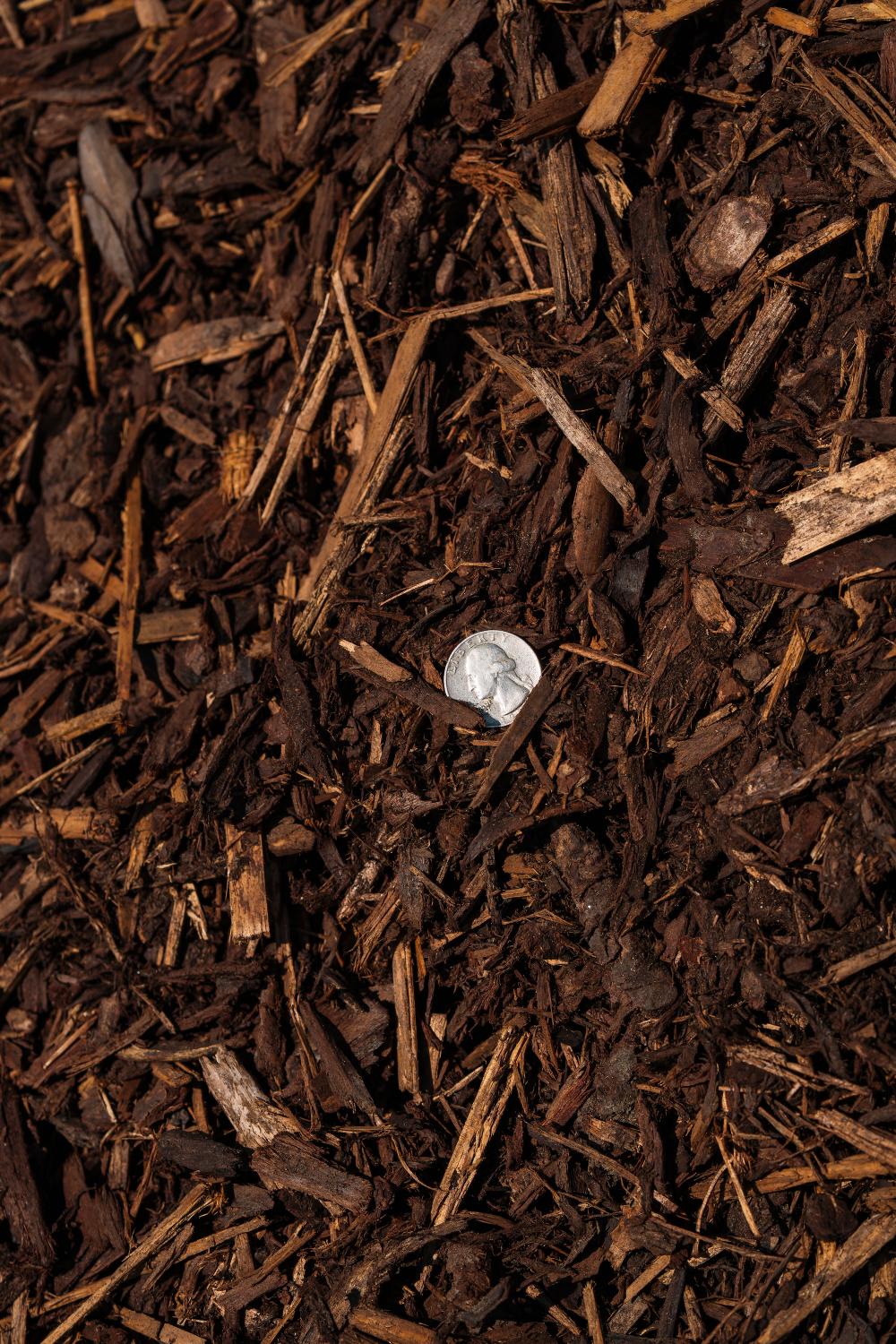
Walk on Bark
130 sqft per yard @ 2″ Depth
Closed
Hours:
Mon-Sat: 6:30 AM - 4:00 PM
Sunday: Closed
Why Walk on Bark? Use Cases and Performance
Walk on bark is a shredded, fibrous bark mulch processed and screened specifically to knit together into a firm, walkable surface rather than sitting as loose decorative chunks. The name describes what it does, not just what it is. Where a chunky decorative bark is meant to be looked at, walk on bark is meant to be used, and the difference comes down to particle shape. Shredded fibers interlock and mat as they settle, which is what lets the surface hold up under foot traffic without shifting the way rounded or chipped bark products do.
That matting behavior is the entire reason to choose this product over other mulches in the yard. A bed of loose bark chunks looks fine until someone walks the same path across it a dozen times a week, at which point the chunks scatter, the path bares dirt, and you are raking bark back into place every weekend. Shredded walk on bark, once it settles and knits, resists that scattering and holds a defined path or play surface with far less maintenance.
Where walk on bark is the right call
- Garden and yard walking paths that see regular, casual foot traffic between beds, gates, and garden features.
- Backyard play areas and informal kids' zones where a soft, natural surface is wanted without a structural playground build.
- Dog runs and pet areas, where a matted bark surface holds up to repeated pacing better than loose decorative bark.
- Under swing sets, trampolines, and backyard play equipment as a cushioning ground cover, installed and maintained at the homeowner's discretion.
- Trails and informal walking loops on larger residential and small commercial lots.
- Mulch cover for beds that also double as an occasional walk-through, such as a side yard that functions as both planting bed and access route.
Where it is not the right call
If your goal is a decorative bark bed viewed from the porch or the street rather than a surface people walk across, 1"-2" medium deco bark is the better product. It is chunkier, holds a richer color and texture from a distance, and is not designed to compact into a mat, which means it stays loose and decorative rather than firm underfoot. Walk on bark, once it settles, reads as a flatter, more matted, more uniform surface, which is exactly right for a path and slightly plain for a feature bed.
If you are building a play area and need a surface with a certified fall-height rating for public or commercial playground equipment, use EWF certified playground bark instead. That is a separate, certified engineered wood fiber product produced and tested to a playground safety standard. Walk on bark is a general-purpose landscape mulch. It is comfortable and soft underfoot, but we do not sell it or represent it as playground safety surfacing, and it carries no fall-height or impact-attenuation certification. For a home swing set where no certification is required, plenty of customers use it anyway for the cushioning and the look; for a daycare, park, school, or any site where a safety standard applies, call 559-233-6603 and we will point you to the certified product.
Not sure how much you need?
Run your square footage and depth through our material coverage calculators before you call. Walk on bark is sold by the yard, and paths, dog runs, and play areas usually need more depth than a decorative bed.
Buying it in Fresno
We sell walk on bark by the yard out of our yard at 3562 South Elm Avenue in Fresno, Monday through Saturday, 6:30 AM to 4:00 PM. Load it yourself, have us load your truck or trailer, rent a dump trailer to self-haul, or have it delivered by dump truck. Bark is bulky rather than heavy, so a full-size pickup bed fills up on volume well before it hits its weight limit. Call 559-233-6603 to confirm current pricing and availability; bark pricing moves with supply, so we quote it live.
Walk on Bark: Guidance for Your Situation
Pick the description that fits you best. Specs, steps, and pricing questions differ for a weekend project versus a bid or a compliance inspection.
For homeowners building paths, play areas, and dog runs
Installing Walk on Bark in Your Own Yard
Most homeowner walk on bark projects fall into three categories: a garden path, a play or swing set area, and a dog run. Each wants a different depth and a slightly different prep, but the core install steps are the same across all three.
How much depth do I actually need?
| Application | Recommended depth | Notes |
|---|---|---|
| Garden walking path | 2"-3" | Refresh yearly as fibers break down and compact underfoot. |
| Dog run or pet area | 3"-4" | Deeper layer holds up to pacing and digging better than a thin layer. |
| Backyard play area, informal | 4"-6" | Not a certified safety surface. Deeper cushioning is a comfort choice, not a rated fall protection. |
| Mulch cover on a walk-through bed | 2" | Standard mulch depth; matting still helps resist scatter from occasional foot traffic. |
Step-by-step: installing a walk on bark path or play area
- Clear the area. Remove grass, weeds, and any debris down to bare soil. Leftover vegetation grows back through a mulch layer within a season.
- Define the edges. A path or play area without containment spreads outward under foot traffic and mower passes. Steel edging, timber, or a stone border keeps the bark where you put it.
- Grade for drainage. A slight crown or slope keeps water moving through and off the path rather than pooling and souring the bark.
- Lay landscape fabric if you want stronger weed control. Fabric under a path is a reasonable choice since you are not planting through it; skip it under a play area where you want water to drain straight into the soil below.
- Spread the bark to depth. Rake it level and check depth in a few spots with a tape measure rather than eyeballing it.
- Water it in lightly. A light watering helps the fibers begin to knit and reduces dust in the first few days after install.
- Walk it in. The first few weeks of regular foot traffic are what actually mats the surface; a brand-new bed still feels a little loose until that happens.
Dog runs specifically
Dog runs are hard on any ground cover because dogs pace the same line over and over and dig at corners. Walk on bark holds up better here than loose decorative bark because the matting resists the scattering a dog's feet cause, but plan on refreshing the surface once or twice a year in a heavily used run and expect corners and gate areas to wear faster than the middle of the run.
What DIY installs typically cost
Bark is priced by the yard and moves with supply, so call 559-233-6603 for a current number. Budget separately for edging material if the area does not already have a border, and factor in either a delivery fee or a trailer rental. Because bark is light for its volume, self-hauling in a rented dump trailer is usually the cheaper option for most residential quantities.
Common mistake
Installing bark directly over hard, compacted dirt with no edging. It looks fine for the first month and then migrates into the lawn and thins out in the middle of the path within a season. Edge it and you will not be back to top it off nearly as often.
Maintenance
- Refresh: plan on topping off a well-used path or play area once a year as the fibers break down and compact.
- Weeds: a thinning layer lets light through and weeds return. Top-dressing before it gets thin is easier than pulling weeds after.
- Raking: an occasional rake redistributes bark that has been kicked to the edges back into the worn center of the path.
- Odor and pests: like any organic mulch, keep it from staying constantly saturated. Good drainage underneath prevents the sour smell that comes from waterlogged bark.
For landscapers, contractors, and property managers
Specs, Bulk Ordering, and Job-Site Logistics
Walk on bark is a steady repeat order for landscape crews maintaining paths, playgrounds without certification requirements, and common-area walking trails. Call 559-233-6603 a day ahead on volume orders over a few yards so we can have it staged for a fast load-out. Yard hours are Monday through Saturday, 6:30 AM to 4:00 PM.
Working specs
| Property | Working value / behavior |
|---|---|
| Form | Shredded, fibrous bark, screened for consistent size |
| Sold by | The yard (bulk); loaded at our Fresno yard or delivered |
| Behavior | Matting and interlocking fibers form a firmer walked surface than chunk or nugget bark |
| Typical use | Paths, play areas without a certification requirement, dog runs, walk-through beds |
| Decomposition | Organic material, breaks down over time and needs periodic top-dress |
| Certification | None. This is a landscape mulch, not certified playground safety surfacing |
| Coverage | Calculated at 2" depth, see our calculators for takeoffs |
Placement notes for crews
- Clear and grade the base. Strip vegetation and correct low spots that would trap standing water under the bark.
- Edge before you spread. Contained edges keep bark off adjacent turf and hardscape, which cuts the number of callback trips for cleanup.
- Place in the target depth in one pass where practical. Unlike aggregate, bark does not need lift compaction; foot traffic over the following weeks does the matting.
- Water lightly after placement on large areas to settle fines and reduce dust during the first days.
- Set a maintenance interval with the client or HOA up front. A once- or twice-a-year top-dress schedule keeps paths from thinning out between service visits.
Job-site logistics and hauling
- Yard pickup: we load trucks and trailers on site at 3562 South Elm Avenue, Fresno, Mon-Sat 6:30 AM-4:00 PM.
- Delivery: dump truck delivery for bulk quantities, including staged multi-load deliveries on larger properties.
- Self-haul: dump trailer and truck rentals when your own equipment is tied up on another job.
- Volume: bark is light for its bulk, so a trailer that maxes out on aggregate weight will usually still have capacity left for bark. Tell us your trailer size and we will tell you how many yards it holds.
- Multi-material orders: bark alongside soil amendments or decorative rock on the same delivery is common. Bundle the order and we will sequence the drop.
HOA, park, and commercial play area applications
Property managers ask us often whether walk on bark can go under playground equipment on HOA or commercial property. The honest answer depends entirely on whether the site is subject to a playground safety standard. If it is a licensed daycare, a public park, a school, or any site where an inspector or insurer requires certified fall-height surfacing, use EWF certified playground bark, which is the product produced and tested for that purpose. Walk on bark is appropriate for informal common-area paths, trail sections, and dog areas where no such standard applies, but we do not represent it as meeting any playground safety certification, and neither should a spec that uses it in place of the certified product.
Contractor accounts
If you buy from us regularly, see our contractor page for how accounts, staged loads, and repeat pricing work.
For HOA boards and property managers maintaining common areas
Maintaining Paths and Common Areas With Walk on Bark
Common-area walking paths and dog areas are one of the more visible, most-complained-about pieces of HOA and multifamily maintenance. Residents notice a thin, bare, or scattered path far faster than they notice one that is properly maintained, so the goal for a board or manager is usually predictable upkeep on a known schedule rather than a one-time install.
Budgeting a maintenance cycle
Because walk on bark is organic material, it breaks down and compacts over time, and heavily trafficked common paths wear faster than a residential backyard path. Most HOA and multifamily properties settle into a once- or twice-a-year top-dress cycle depending on traffic volume and path length. Building that into an annual landscape maintenance contract, rather than reacting to resident complaints, is the cheaper way to manage it and keeps the material looking intentional year round.
Common areas where it fits
- Walking loops and connector paths between buildings, mailboxes, and amenity areas.
- Designated dog relief and dog run areas, where matting bark reduces the scattering that creates maintenance tickets.
- Informal seating and gathering nooks off a main path that benefit from a soft, quiet surface.
- Buffer strips between a path and adjacent turf, where a defined bark border reduces string-trimmer damage to trees and irrigation heads.
Liability and playground surfacing
If your property has playground equipment used by children in a common area, do not substitute walk on bark for certified playground surfacing. Use EWF certified playground bark under and around equipment, and keep walk on bark to paths, dog areas, and non-play common space. This is as much a liability and insurance question as a landscaping one, and boards should confirm requirements with their insurer or a playground safety inspector rather than relying on a landscaping vendor's opinion.
Bulk and account pricing
We quote bulk and standing-order pricing directly for HOA and property management accounts rather than publishing a rate. Call 559-233-6603 or send us the job details and we will price the material and delivery together, including a recurring top-dress schedule if that fits your maintenance plan.
Ordering for multiple properties
If you manage several properties, coordinating orders into fewer, larger deliveries generally lowers the per-yard cost of freight compared with several small pickup-truck runs. Tell us your rotation when you call and we can plan deliveries around your maintenance calendar instead of quoting each site cold.
How Walk on Bark Compares to the Alternatives
The comparison that matters most is walk on bark against the two other bark and mulch products in the yard, plus rock ground cover for the customers weighing bark against rock entirely.
| Material | Surface behavior underfoot | Best for | Trade-off vs. walk on bark |
|---|---|---|---|
| Walk on Bark | Matting, firm, resists scatter under repeat traffic | Paths, dog runs, informal play areas, walk-through beds | N/A |
| 1"-2" Medium Deco Bark | Loose chunks, scatters under repeat foot traffic | Decorative bed cover, viewed rather than walked | Better color and texture from a distance, worse as a walking surface |
| EWF Certified Playground Bark | Loose, engineered for fall-height performance | Certified public and commercial playground equipment | Higher cost, but carries the safety certification walk on bark does not |
| Black Humus | Fine, soil-like, not a walking surface | Soil amendment and planting bed mulch | Feeds soil biology better; not suited to foot traffic at all |
| 3/4" Crush Granite or Crush River Rock | Hard, permanent, does not decompose | Driveways, high-traffic hardscape paths | Never needs top-dress, but hard underfoot and does not feed soil |
Walk on bark vs. medium deco bark, which one do I need?
This is the most common mix-up at the counter, because both are dark, shredded-looking bark products sitting near each other in the yard. The distinction is particle shape and purpose. Medium deco bark is chunkier and coarser, chosen for how a bed looks from the street or the porch. Walk on bark is finer and more fibrous, chosen for how a surface holds up when people actually cross it. If the area gets regular foot traffic, choose walk on bark. If the area is meant to be viewed rather than walked, choose deco bark. Using deco bark on a path means constant scattering and bare spots; using walk on bark on a purely decorative bed is not wrong, it just reads flatter and less textured than deco bark does.
Walk on bark vs. EWF certified playground bark
Both are used under and around play equipment, and both are comfortable to land on, but they are not interchangeable on a spec sheet. EWF certified playground bark is manufactured and tested to a playground safety standard for impact attenuation at a given fall height. Walk on bark is a general landscape mulch with no such testing or certification behind it. For a home swing set with no regulatory requirement, either product will feel similar underfoot and many homeowners choose walk on bark for the lower cost. For any site where a fall-height standard applies, whether by code, insurance, or licensing, use the certified product and do not substitute.
Bark vs. rock ground cover
For customers weighing organic mulch against rock entirely, the tradeoffs are straightforward. Bark feeds the soil as it breaks down, stays cooler underfoot in full summer sun than rock does, and needs periodic replenishing. Rock does not decompose or need topping off, but it does not feed soil, it holds more heat, and it is a poor choice anywhere bare feet or paws spend time in July. Most Fresno yards end up using both: rock in structural and high-heat zones, bark in paths, planting beds, and anywhere comfort underfoot matters.
Walk on Bark in Central Valley Conditions
Organic mulch behaves differently depending on the climate it sits in, and Fresno's combination of extreme summer heat, low but concentrated winter rainfall, dry wind, and heavy clay soil shapes how walk on bark performs here specifically.
Summer heat and moisture loss
Fresno summers regularly push past 100 degrees for weeks at a stretch, and bark mulch dries out on the surface faster here than it would in a milder climate. That is actually one of the reasons bark performs well locally as a walking surface: a dry, matted top layer stays firmer underfoot than a mulch that stays constantly damp. The trade-off is that surface fibers become brittle and break down into finer material faster under sustained heat, so plan to top-dress a heavily used summer path more often than you would in a coastal climate.
Clay soil and drainage underneath
Much of the Fresno and Clovis area sits on soil with a heavy clay fraction, which drains slowly and holds water at the surface after a storm. Bark placed over poorly draining clay without any grading will sit wet longer after winter rain, which speeds decomposition and can produce the sour smell associated with waterlogged organic mulch. Grading the base for drainage before installing bark, and avoiding a low spot that collects runoff, solves most of this before it becomes a problem.
Winter rain and tule fog
Winter in the Valley brings a mix of occasional heavy rain and long stretches of tule fog that keep surfaces damp without much actual rainfall. A matted walk on bark path handles this reasonably well since the shredded fibers shed water across the surface rather than absorbing it evenly like a loose chunk product might. Paths that stay shaded and foggy for days at a time will take longer to fully dry between events, so expect a slightly softer surface underfoot through the winter months compared with summer.
Wind and dust
Valley wind events can move lightweight, loose mulch, but walk on bark's fibrous, matting nature makes it more wind-resistant once it has settled than a lighter or more granular organic product. A fresh, unsettled layer is more vulnerable in the first weeks after installation, particularly on an exposed, unedged path, so watering it in at install time and containing the edges both help keep a new layer in place through the first windy stretch.
UV and color fade
Untreated bark mulch gradually grays and lightens under sustained UV exposure, and Fresno gets close to full sun for most of the year. Expect the surface layer of a walk on bark path to lighten in color over six to twelve months even as the material underneath remains structurally fine. This is a cosmetic change, not a sign the mulch needs replacing, and a light top-dress restores the darker color if appearance matters more than function for your application.
Local delivery area
We deliver walk on bark throughout Fresno, Clovis, Sanger, Selma, Kingsburg, Madera, and the surrounding Central Valley. Call 559-233-6603 to confirm delivery to your address, or rent a trailer and haul it yourself.
Walk on Bark: Frequently Asked Questions
Have questions? We've got answers. If you don't see your question below, give us a call at (559) 233-6603.